Everything you need to know about buying in the Netherlands
From transfer tax to mortgage options, we break down the Dutch housing market with practical guides written by local experts.
Featured Reads

WOZ Value Explained
Roughly half of WOZ objections succeed, yet most homeowners never check their assessment. See how your WOZ value sets your tax bill, how to look up any address free in 2 minutes, and how to object before the 6-week deadline costs you another year of overpaying.
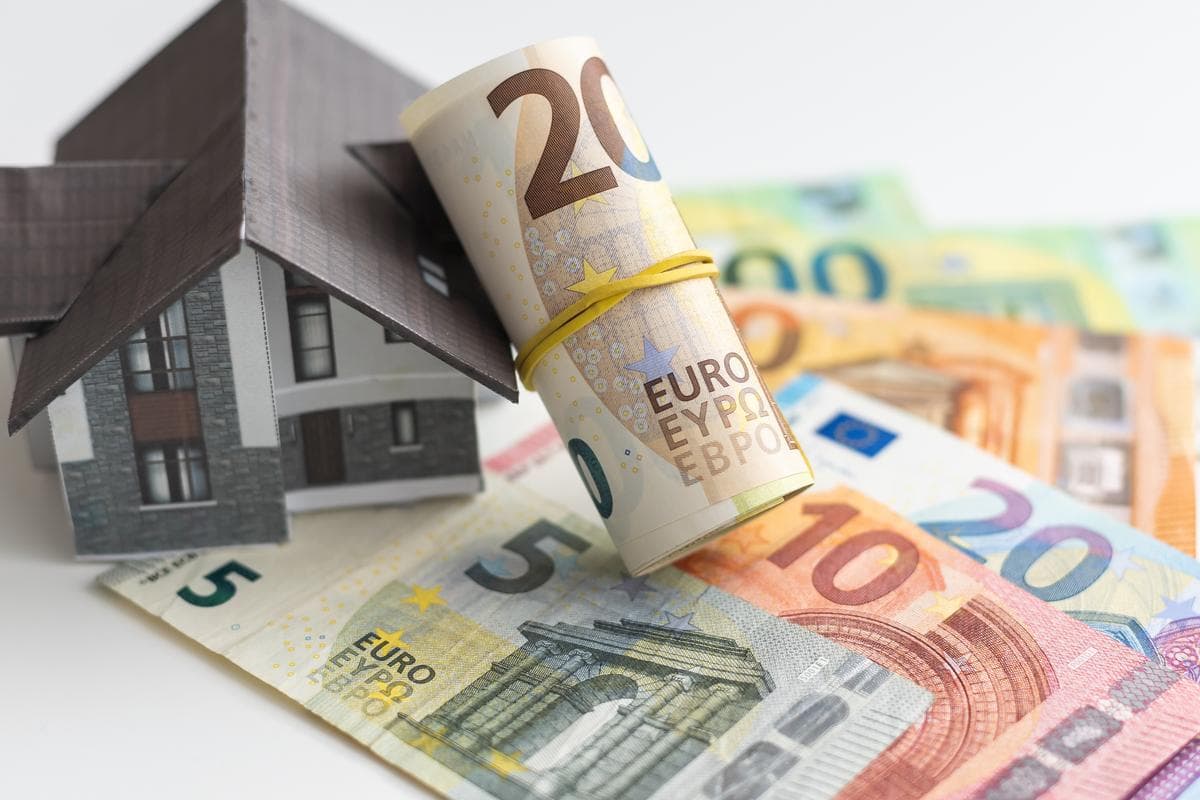
Dutch Mortgage Guide 2026
The difference between a good and a bad mortgage setup is tens of thousands of euros over 30 years. Borrowing limits, NHG, interest deduction, and the traps first-time buyers walk into — explained with real numbers.

Energy Labels & Property Value
An A-label home sells for 10-15% more than the same home with label F — and banks let you borrow extra for it. What each label really means for your price, mortgage, and monthly energy bill.

First-Time Buyer Checklist
From mortgage pre-approval to final handover, the complete timeline and checklist for first-time buyers in the Netherlands.

Renting Out Your Property When Moving Abroad
Moving abroad while keeping your Dutch property? Understand the Box 1 to Box 3 tax shift, bank permission requirements, municipal permits, and whether renting out actually makes financial sense with or without a mortgage.

New Construction vs Existing Homes
New builds offer warranties and energy efficiency, but existing homes have character and established neighborhoods. Compare costs, mortgage rules, transfer tax, and hidden expenses to make the right choice.
All Guides

Bidding Strategy Guide
Overbid too little and you lose the house; overbid too much and you overpay by tens of thousands. Data-backed rules for setting your maximum bid, reading seller signals, and knowing when to walk away.
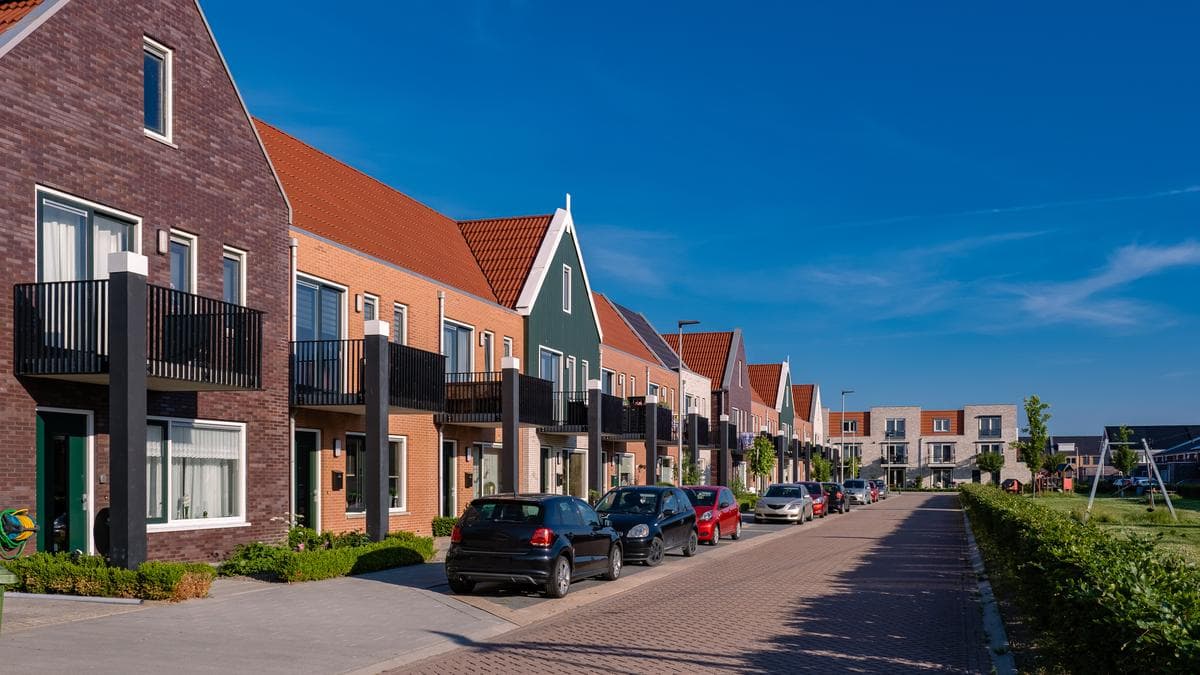
Amsterdam Neighborhoods 2026
From De Pijp to Noord, compare prices, amenities, and quality of life across all Amsterdam neighborhoods with data-driven insights.

Hidden Costs of Buying
Kosten koper adds 4-6% on top of the purchase price — money you cannot borrow with the mortgage. Every fee itemized with real amounts, so the notary bill never surprises you.
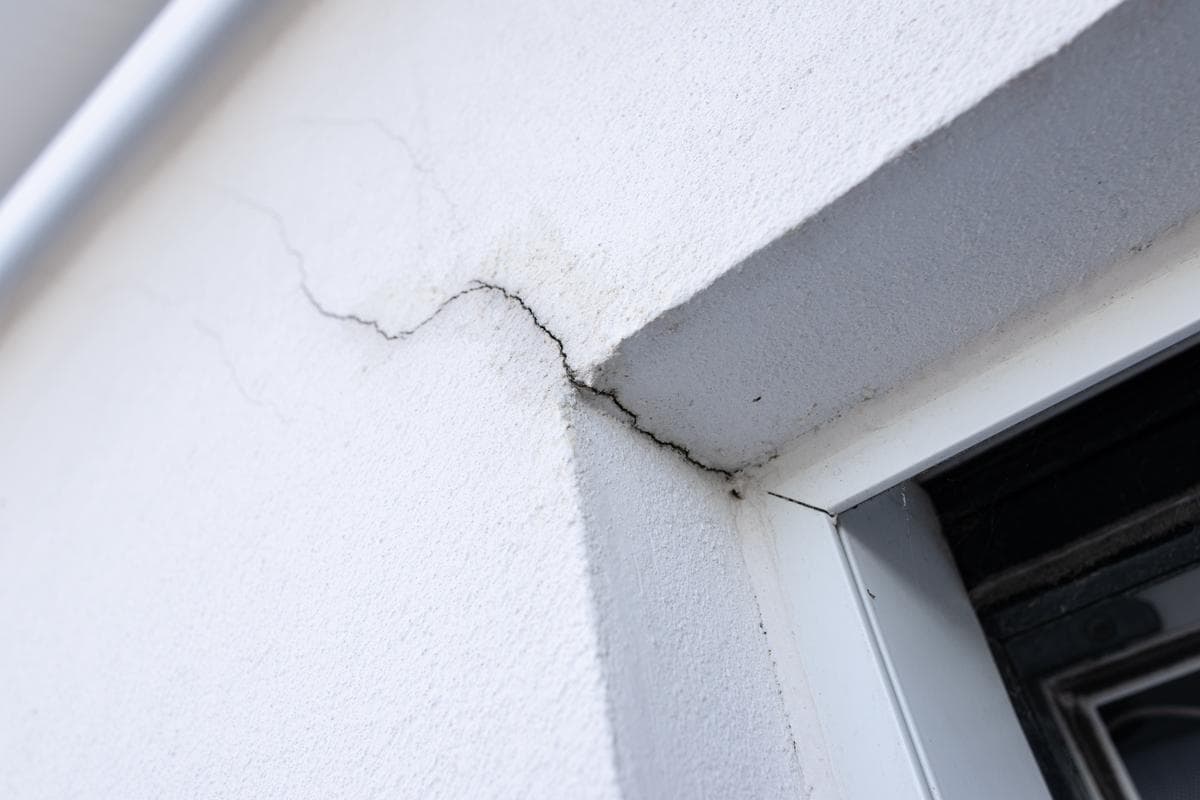
Foundation Issues Guide
Foundation problems affect 1 in 5 pre-1970 homes. Learn to identify warning signs, understand repair costs, and negotiate accordingly.
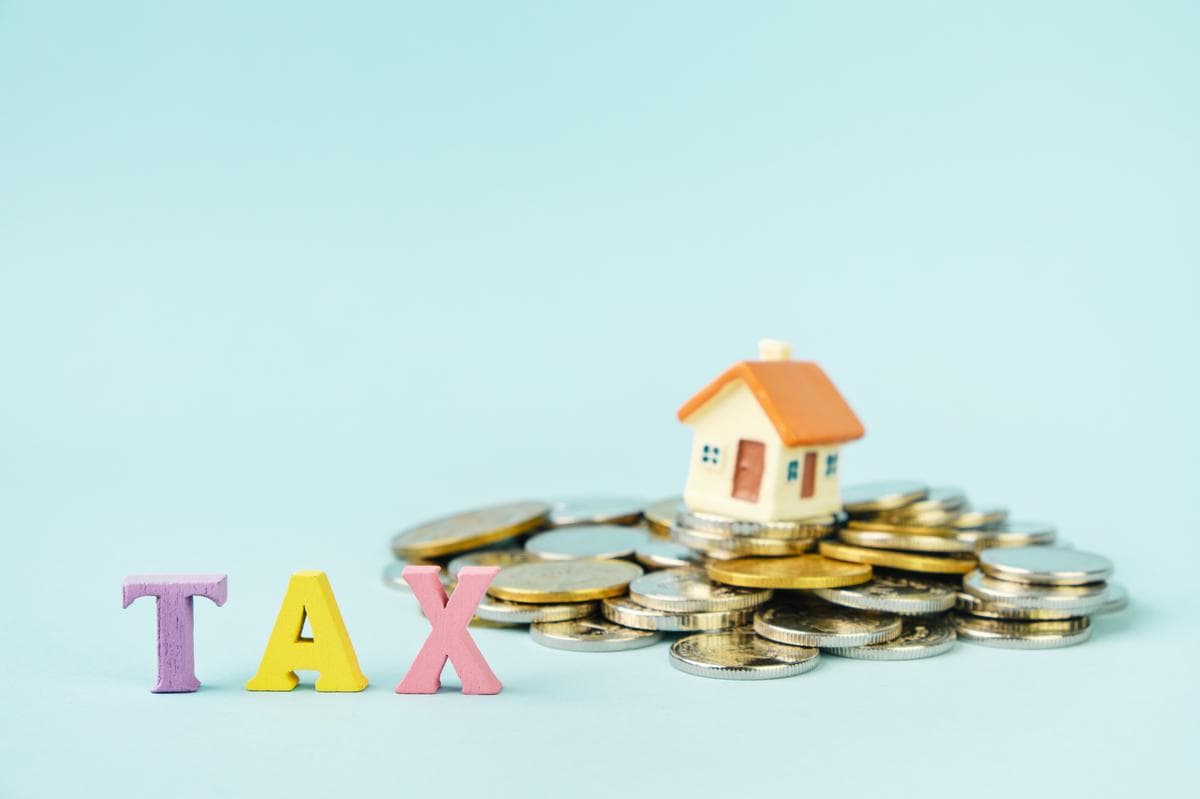
Rental Yield in the Netherlands
That 6% gross yield shrinks fast once Box 3 tax, the 8% investor transfer tax, maintenance, and vacancy take their cut. Calculate your true net yield and see which Dutch cities still make financial sense in 2026.
Buying a House in the Netherlands as an Expat
You can buy Dutch property on any residence status — but mortgage terms, the 3-day bedenktijd, erfpacht, and Dutch-only contracts trip up international buyers. The full process explained, step by step, in plain English.
Market Forecast 2026-2027
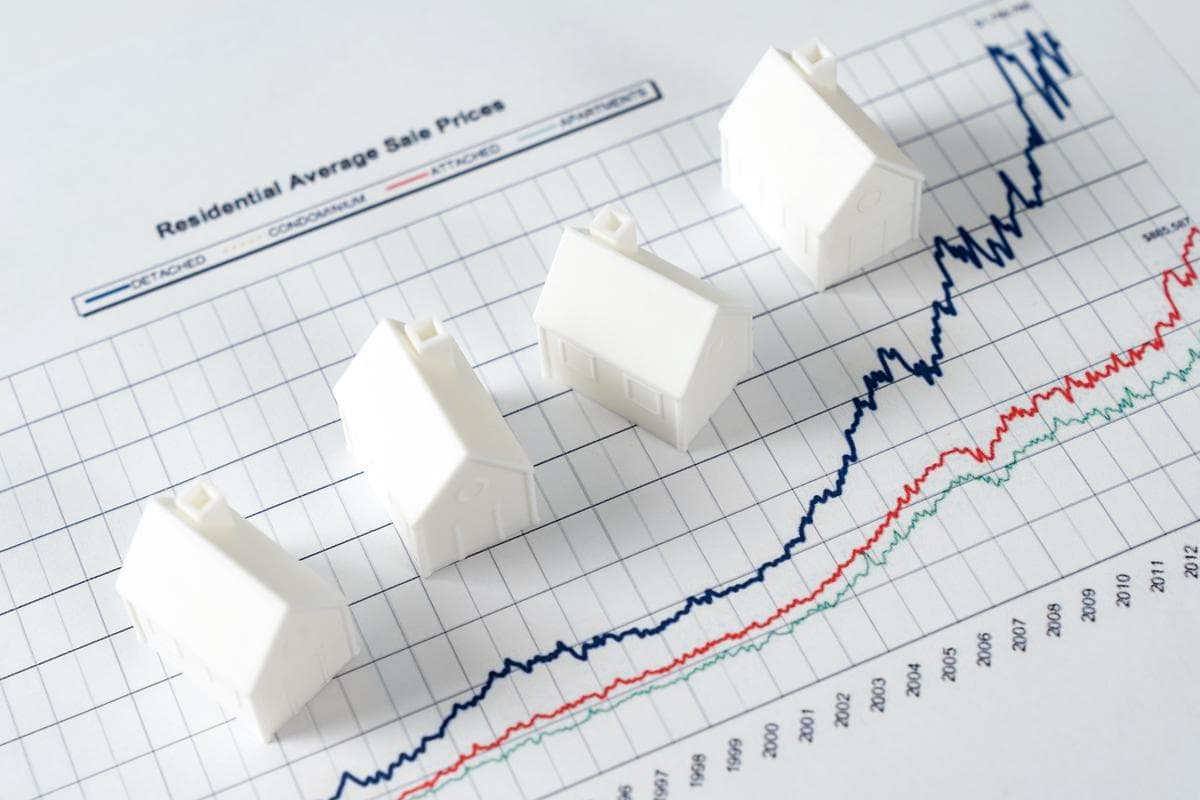
Interest rate trends, supply constraints, and demographic shifts: what's driving the market and where prices are headed.
Renovation ROI Calculator
Kitchen upgrades return 80%, bathrooms 70%, but solar panels? The data-backed guide to renovation value.
Property Tax Optimization
Mortgage interest deduction, eigenwoningforfait, and other tax strategies every Dutch homeowner should understand.

Climate Risk Assessment
With rising sea levels and extreme weather, understand your property's climate risks and how they affect insurance and value.

Housing Cooperatives Explained
Collective ownership, shared equity, and cooperative housing: exploring affordable alternatives to traditional homeownership.

Essential Koopakte Clauses
Voorbehoud financiering, structural inspection clause, asbestos clause—the critical contract terms that protect buyers and when to negotiate them into your purchase agreement.
Structural Inspection Guide
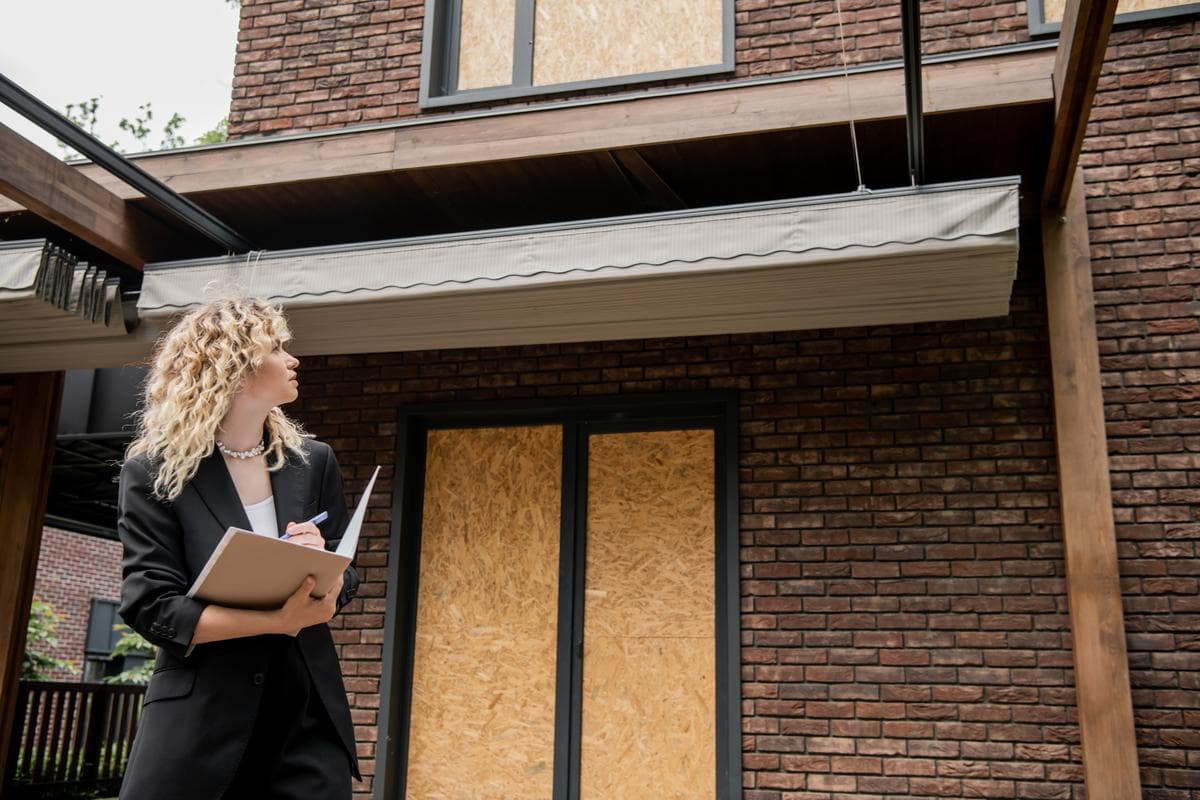
From foundation to roof, understand what a bouwkundige keuring covers, typical costs (€400-800), and which findings should make you walk away or renegotiate.

Erfpacht Explained
Own the building, lease the land. Understand perpetual vs temporary erfpacht, canon payments, afkoopsom (buyout), and how it affects your mortgage and resale value.

Voorbehoud Financiering
This clause lets you cancel the purchase if your mortgage is rejected—without losing your deposit. Learn the standard terms, deadlines, and when sellers push back.

Is NHG Worth It?
NHG costs 0.6% of your loan but protects you from residual debt and often gets you a 0.2-0.4% lower interest rate. Calculate when it pays off.
Transfer Tax Guide 2026
Buy on the wrong terms and you pay 8% instead of 0% — on a €450,000 home that is €36,000. Who qualifies for each of the three 2026 rates, where the €555,000 cliff edge sits, and how to prove owner-occupancy.
Bedenktijd: Your 3-Day Escape Clause
Three days to walk away from a signed purchase, for any reason or none. It is written into the Civil Code, it cannot be waived, and it protects the buyer only.
Eigenwoningforfait Explained
The Dutch government taxes you on the theoretical rental income of your own home: 0.35% of WOZ value in 2026. How it is calculated, how mortgage interest offsets it, and why the Wet Hillen relief is disappearing seven years earlier than planned.
Box 3 Tax on Second Homes
Second homes and rental properties fall under Box 3 wealth tax. In 2026 an assumed 6.00% return is taxed at 36% — about 2.16% of the property's value every year, whether it earned anything or not.

Makelaar Fees Explained
Selling agents average 1.11% of the sale price ex VAT; buying agents more often charge €1,500-4,500 fixed. Where the crossover to a fixed fee sits, what the quotes leave out, and why agent fees are not deductible.
Notary Costs Breakdown
Notary fees run €1,200-2,500 depending on whether you take a mortgage. What each deed covers, why the buyer picks the notary, and how to compare quotes that are not quoting the same things.
Linear vs Annuity Mortgage
On €350,000 over 30 years at 4%, linear saves about €41,000 in interest but starts €468 a month higher. Which suits which buyer, and how tax relief narrows the gap.
Ready to analyze a property?
Get instant insights on any Dutch property — WOZ value, neighborhood scores, price trends, and more.
Start Free Analysis