A bouwkundige keuring is an independent structural inspection of a house before you buy it. A certified inspector, registered with VBO or NRVT, spends two to three hours on site working through 200-plus checkpoints from foundation to roof, and produces a report with photographs, risk ratings and cost estimates. It costs €400 to €800 — against repair bills that regularly run into five figures, since 15 to 20% of pre-1980 homes reveal a major defect of €10,000 or more. The most common findings are foundation movement, roof and gutter leaks, rising damp, and extensions built without permission. The report does two jobs: it tells you what you are buying, and it converts vague worry into a documented cost you can put to the seller. To use it properly, negotiate an inspection clause into the koopakte before you sign, so an adverse report gives you grounds to renegotiate or withdraw rather than only regret.
A bouwkundige keuring (structural inspection) is your insurance policy against buying a money pit. For €400-800, a certified inspector examines the property's structural integrity, identifies hidden defects, and gives you negotiation leverage—or a reason to walk away.
Quick Summary
- • Structural inspections cost €400-800 and take 2-3 hours on-site
- • 15-20% of pre-1980 homes reveal major defects (€10,000+ repairs)
- • Foundation issues, roof leaks, and illegal extensions are most common
- • Always negotiate an inspection clause into your koopakte before signing
- • Inspection reports are valid for renegotiation or contract cancellation
What Does a Structural Inspector Check?
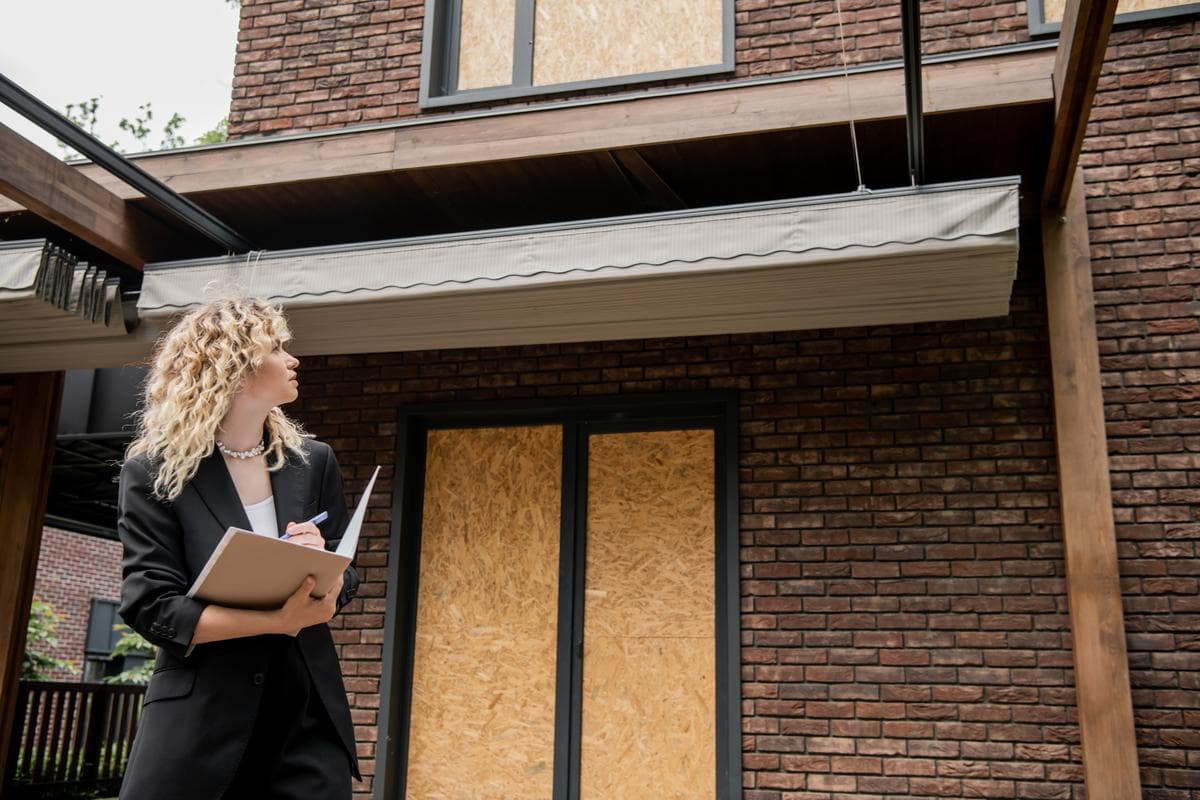
A certified inspector (VBO or NRVT registered) examines 200+ checkpoints across the property, from foundation to roof. The inspection typically takes 2-3 hours and results in a detailed report with photos, risk ratings, and cost estimates.
🏗️ Structural Elements
- • Foundation (cracks, settlement, moisture)
- • Load-bearing walls and beams
- • Floor joists and structural timber
- • Roof structure and trusses
- • Chimneys and masonry
💧 Water & Moisture
- • Rising damp and penetrating moisture
- • Roof leaks and gutter condition
- • Basement waterproofing
- • Drainage and groundwater issues
- • Condensation and ventilation
⚡ Installations
- • Electrical system (age, safety, capacity)
- • Plumbing and water pressure
- • Heating system (boiler, radiators)
- • Ventilation and air quality
- • Hot water system
🪟 Building Envelope
- • Windows and doors (condition, sealing)
- • Insulation quality and coverage
- • Exterior walls and cladding
- • Roof covering (tiles, shingles)
- • Gutters and downspouts
Red Flags: When to Walk Away
Not all defects are deal-breakers, but some issues are so severe or expensive that walking away is the smartest move. Here are the critical red flags that should make you reconsider:
🚨 Foundation Failure
Cost to fix: €30,000-150,000+ | Repair time: 3-12 months
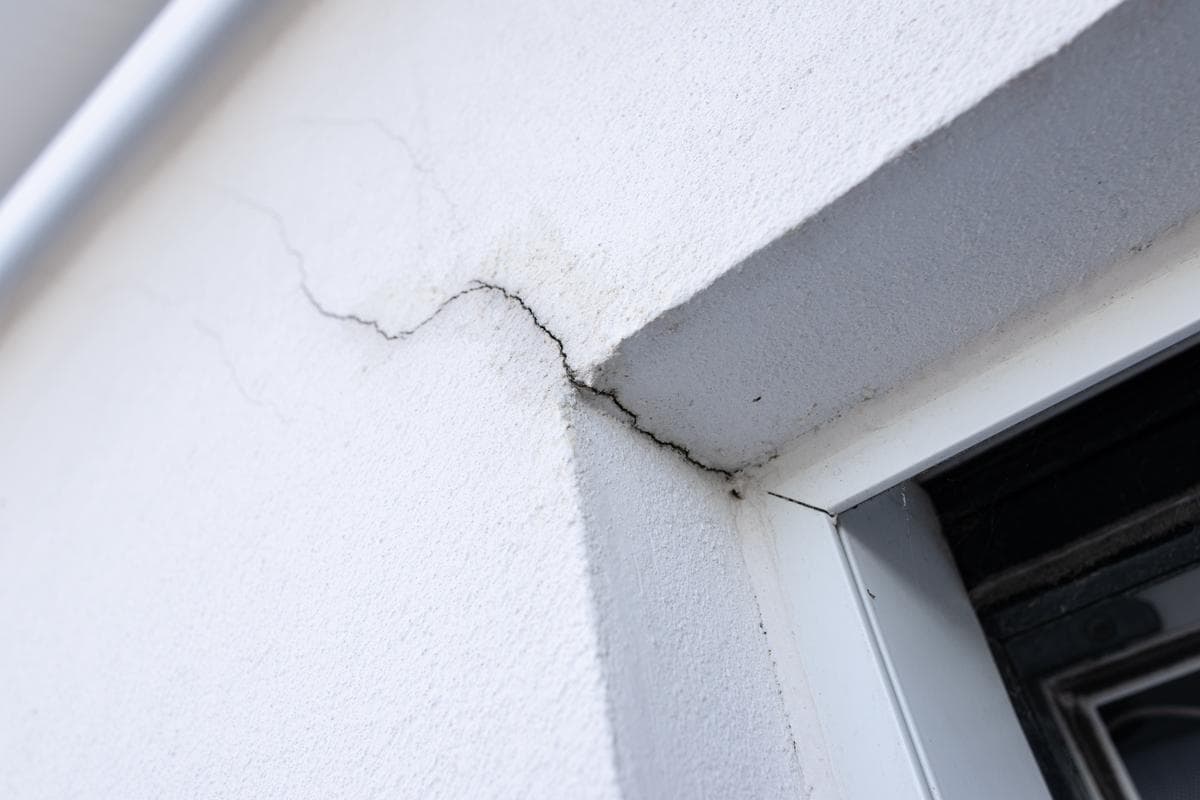
Severe cracks, tilting walls, or sinking floors indicate foundation collapse. Common in Amsterdam (wooden piles rotting) and Rotterdam (soft soil settlement). Requires underpinning or complete foundation replacement.
⚠️ Illegal Extensions
Risk: Municipality can force demolition | Mortgage impact: Banks may refuse financing
Unpermitted additions (extra floors, rear extensions) without building permits. You inherit the legal liability and may be forced to remove them or face fines.
🔥 Electrical Fire Hazards
Cost to fix: €5,000-15,000 | Safety risk: Immediate fire danger
Pre-1970 wiring without grounding, aluminum wiring, or overloaded circuits. Insurance companies may refuse coverage until fixed.
Negotiation Strategy After Inspection
Once you have the inspection report, you have three options: renegotiate the price, demand repairs, or cancel the contract. Here's how to approach each:
Price Reduction Strategy
Request a discount equal to 100-150% of the estimated repair cost. The extra 50% accounts for your time, hassle, and risk of cost overruns.
Example Calculation:
- • Inspector estimates €20,000 for roof replacement
- • You request €25,000-30,000 price reduction
- • Seller counters at €22,000 → You accept
Key Takeaways
- →Always get an inspection for existing homes—15-20% reveal major defects worth €10,000+ in repairs.
- →Negotiate the inspection clause into your koopakte before signing—it's your only legal way to renegotiate or cancel.
- →Foundation issues, illegal extensions, and electrical hazards are the top three reasons to walk away from a deal.