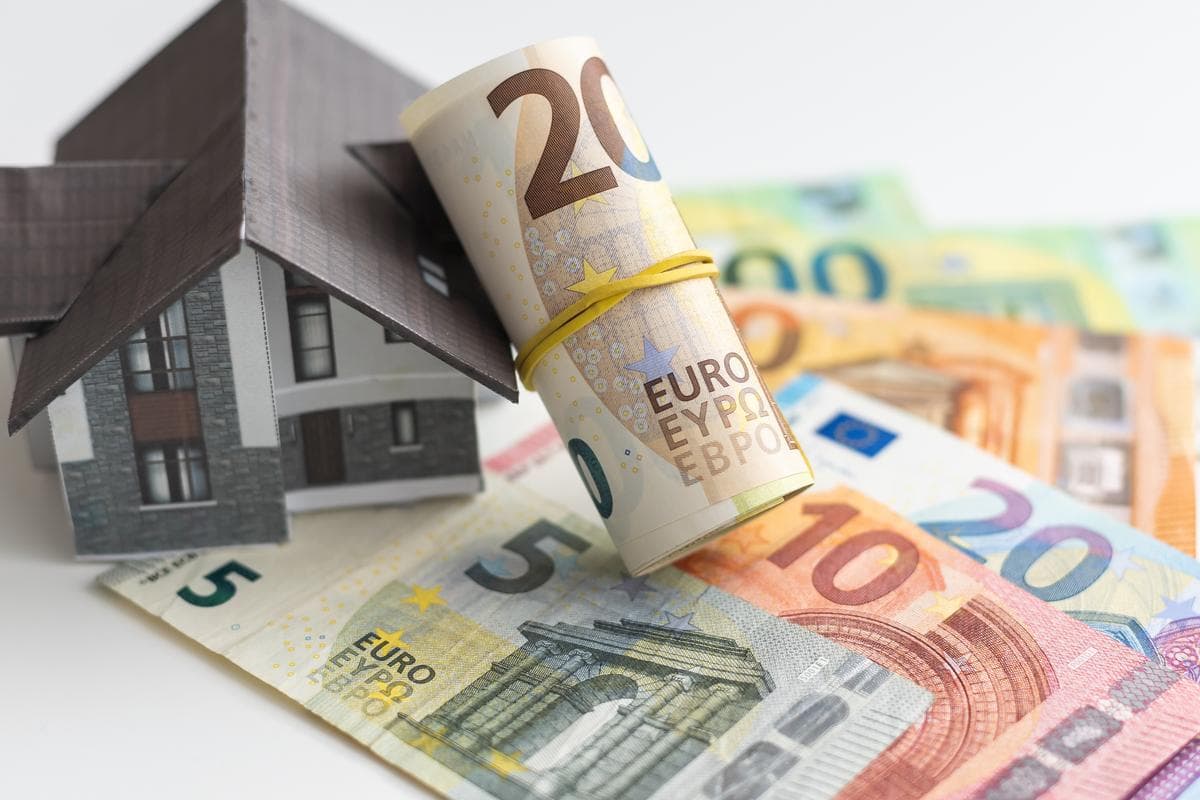
Expats can buy property in the Netherlands with no citizenship or residency requirement — anyone may own Dutch real estate. The practical hurdles are financing and process: banks typically require a BSN, Dutch income, and for non-EU nationals sometimes a residence permit with sufficient validity or a lower loan-to-value. The buying process is fast and binding compared to many countries: an accepted bid leads to a purchase contract (koopakte) with only a 3-day cooling-off period, contracts are usually in Dutch, and buyer's costs — roughly 3-5% plus your transfer tax rate, so about 5-7% all-in for an owner-occupier — cannot be borrowed. Renting out the home later, erfpacht (ground lease), and the 30% ruling's interaction with mortgage deduction are the details most likely to cost an uninformed international buyer real money.
Buying property in the Netherlands as a foreigner is entirely possible—and increasingly common. With no restrictions on foreign ownership, favorable mortgage terms for expats, and a transparent legal system, the Dutch market is one of Europe's most accessible. Here's your complete roadmap.
Good News for Expats
- • No restrictions on foreign property ownership
- • Mortgages available for non-EU residents with work permits
- • 30% ruling can boost your borrowing capacity
- • English widely spoken in real estate transactions
- • Transparent, regulated market with strong buyer protections
Eligibility: Who Can Buy?
EU/EEA Citizens
Full access. Same rights as Dutch citizens. No restrictions on buying or mortgages.
Non-EU with Work Permit
Can buy property. Mortgage available with employment contract. BSN number required.
Non-Resident
Can buy property. Mortgage difficult without Dutch income. Cash purchases common.
The 30% Ruling Advantage
How the 30% Ruling Helps
If you qualify for the 30% ruling, 30% of your salary is tax-free (dropping to 27% from 2027). This increases your net income, which directly boosts your maximum mortgage amount.
Without 30% ruling
€80,000 gross → €52,000 net
Max mortgage: ~€340,000
With 30% ruling
€80,000 gross → €62,000 net
Max mortgage: ~€400,000
Step-by-Step Buying Process
Get Your BSN Number
Register at your local gemeente. Required for all financial transactions. Takes 1-2 weeks.
Find a Mortgage Advisor
Choose one experienced with expat mortgages. They'll assess your borrowing capacity including 30% ruling.
Hire a Buying Agent (Aankoopmakelaar)
Highly recommended for expats. They negotiate on your behalf and navigate Dutch customs. Cost: 1-2% of purchase price.
Search & View Properties
Use Funda.nl (main platform), your agent's network, and HomeReview.nl for analysis. Attend open houses.
Make an Offer (Bod)
Your agent submits a written bid. Include conditions: financing, inspection, and any special clauses.
Sign Purchase Agreement (Koopovereenkomst)
3-day cooling-off period after signing. Include financing clause (6 weeks) and inspection clause.
Arrange Mortgage & Valuation
Bank orders independent appraisal. Mortgage advisor handles paperwork. Takes 4-6 weeks.
Notary & Key Handover
Sign mortgage deed and transfer deed at notary. Pay closing costs. Receive keys!
Common Expat Pitfalls
Underestimating Closing Costs
Budget 3-5% of the purchase price for notary, advisor, valuation and a buying agent, plus your transfer tax rate on top — 0% for a qualifying first-time buyer, 2% for an owner-occupier, 8% for an investor. That is roughly 5-7% all-in for most expat buyers of a home to live in. These cannot be financed through the mortgage—you need cash.
Ignoring VVE (Apartment Association)
For apartments, check VVE financial health. Low reserves mean future special assessments. Request the last 3 years of VVE meeting minutes and financial statements.
Not Using a Buying Agent
The seller's agent works for the seller. Without your own agent, you're negotiating blind. A good aankoopmakelaar typically saves more than their fee.
Key Takeaways
Do This
- •Get BSN and bank account first
- •Hire expat-specialized mortgage advisor
- •Use a buying agent (aankoopmakelaar)
- •Factor in 30% ruling expiry in planning
Avoid This
- •Buying without understanding Dutch tax system
- •Skipping building inspection for older homes
- •Relying solely on seller's agent
- •Maxing out mortgage based on 30% ruling income